
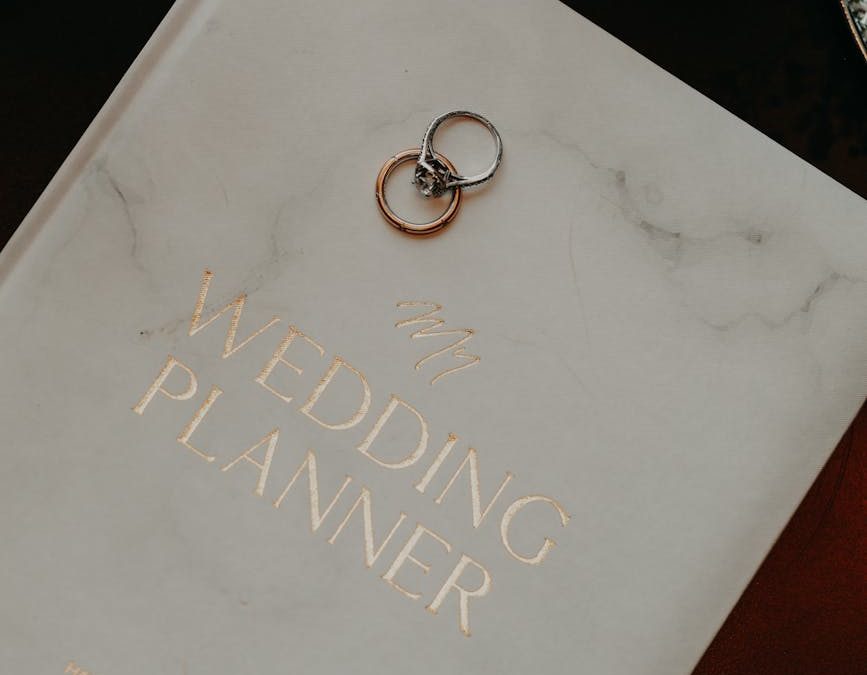
Why a Timeline Is the Most Important Tool in Your Planning Kit
The average couple in the United States is engaged for about 15 months before their wedding, according to The Knot’s Real Weddings Study — and that timeline has been increasing. With good reason: the most in-demand wedding vendors book 12–18 months in advance, popular venues can fill their peak-season Saturdays up to 24 months out, and a wedding dress alone can take up to nine months to be designed, delivered, and altered.
Without a clear timeline, planning a wedding feels like a permanent state of low-grade urgency — always something undone, always a deadline you didn’t know was approaching. With one, you know exactly what needs to happen when, which means you can actually enjoy your engagement instead of just surviving it.
This guide is built around a 12-to-18-month planning window — the realistic wedding planning timeline for most couples who want access to their first-choice vendors. Shorter timelines are absolutely workable, but they require faster decisions and may limit availability in certain categories. We’ll note where flexibility exists.
Before You Start: Set Your Foundation
Before booking a single vendor, three foundational decisions shape everything that follows.
1. Establish your budget.
Your budget determines every subsequent decision: which venues you can tour, which vendors you can afford, what guest count is realistic. Set a firm total — not a range — before you look at anything. Many couples find the budget conversation easier to delay than to have, but having it first prevents the expensive mistake of falling in love with options you can’t afford.
2. Agree on a rough guest count.
Your guest count determines venue size, and venue size is the anchor of your entire timeline. You don’t need a final list at this stage — you need a realistic ceiling. At the current average of $290–$300 per guest, the difference between 80 guests and 130 guests is approximately $15,000.
3. Establish your vision and non-negotiables.
Before you start researching vendors, talk with your partner about two or three things that are truly non-negotiable for each of you. One of you might care deeply about food and wine; the other might care most about music and dancing. Knowing your priorities before you’re under vendor pressure helps you allocate budget intentionally rather than reactively.
18–12 Months Out: The Foundation Phase
This phase is for the decisions that are hardest to reverse and that everything else depends on.
Hire a Wedding Planner (If You’re Considering One)
If you want a wedding planner or coordinator, this is the time to hire one — before the venue, not after. A planner’s value is greatest when they’re involved from the beginning: helping you identify venues that fit your vision and budget, guiding you toward vendors with whom they have established relationships, and flagging potential problems before you’ve committed to anything.
Planners book early because good ones fill their limited calendar. A planner who has 15 years of experience and strong vendor relationships will have a full calendar for peak-season Saturdays well in advance. Contact possible candidates right away if you know you want this support.
Full-service wedding planners typically cost 10–15% of the total wedding budget. Day-of coordinators (who step in for the final weeks and manage execution) are a more budget-friendly option at roughly $800–$2,500 depending on market.
Book Your Venue
Your venue is the first booking that locks in your actual wedding date. Until you have a signed venue contract and a deposit paid, you don’t officially have a date.
Popular venues often book 12–18 months in advance, especially for peak wedding seasons (May, June, September, and October). Some top venues in major markets book 18–24 months out for Saturday dates.
The order of operations:
- Identify 4–6 candidate venues that match your rough vision and budget range
- Tour each one — bring your partner, take photos and notes for comparison
- Narrow to your top two or three
- Request full pricing packages including all fees and service charges (the fully loaded number, not the base rental)
- Confirm availability for your target dates
- Sign a contract and pay your deposit to secure the date
Venue types and their budget implications:
- All-inclusive venues (venue + catering in one package) simplify logistics and can produce package pricing
- Venue-only sites (blank slate, bring your own caterer and rentals) offer more vendor flexibility but require more coordination
- Historic properties, vineyards, and estates typically have longer exclusive-use windows and more complex logistics
- Public park permits and private property can reduce venue costs dramatically but require renting all infrastructure
Questions to ask every venue:
- What is the maximum guest capacity, both for ceremony and reception?
- What is included vs. rented separately?
- Is there a required vendor list or exclusive catering?
- What are the parking and transportation logistics?
- What are overtime fees?
- What is the weather contingency for outdoor spaces?
- What are the payment schedule, cancellation policy, and substitution terms?
Read our guide on 50 questions to ask your venue before you book.
Book Your Photographer
Wedding photographers are often the first vendor couples need to book after the venue — and for good reason. Top-tier wedding photographers in most markets book 12–18 months in advance, and peak summer and fall dates fill first.
After the flowers fade and the cake is gone, your wedding photographs and video are what remain to relive the day. This is not a category to approach with a lowest-bidder mentality.
How to choose:
- Review full galleries from real weddings, not just highlight shots — galleries reveal consistency, not just peak moments
- Meet in person or via video call before booking — you’ll spend most of your wedding day with this person; personality fit matters
- Understand the deliverables: digital gallery only vs. album options, timeline for delivery, number of edited images
- Clarify hours of coverage needed (from getting ready through the end of the reception)
- Ask specifically about their approach to low-light reception photography
Book Your Caterer (If Not Included With Venue)
If your venue includes catering, this is handled. If not, your caterer is one of the most important independent bookings you’ll make — good food can really make an event stellar, and catering at $6,927 on average nationally is one of your largest single expenditures.
Book your caterer about a year out. Ask for tastings before committing — reputable caterers offer menu tastings as part of the booking process. Request a full price breakdown including service charges, staffing fees, and bar service options.
12–9 Months Out: Build Your Vendor Team
With your venue and photographer secured, this phase is about completing the professional team that will execute your day.
Book Your Videographer
Much like photographers, talented wedding videographers are in high demand. Book your wedding videographer 10–12 months before your wedding if possible. Video captures what photography can’t — the sound of vows, the full first dance, toasts in their entirety. If a meaningful video matters to you, treat this booking with the same urgency as photography.
Book Your Entertainment
Entertainment booking follows the rule: if it requires a specific person, book as early as possible. Whether you’re hiring a DJ or a live band, you are booking a specific individual or group whose calendar fills in advance.
DJs: 6–8 months out is the commonly cited minimum, but top DJs in major markets book earlier. The entertainment category typically represents 8–12% of the total wedding budget.
Live bands: Book 9–12 months out, particularly for peak seasons. Live bands are more expensive than DJs (often $3,000–$10,000+ depending on band size and market) but provide an experience that many couples and guests value highly. Band availability is often more constrained than DJ availability.
Book Your Florist
Popular florists often book 12 months in advance, especially for spring and fall weddings. Your florist helps transform your vision into reality — and unlike many vendors, the floral design conversation is highly visual, so building a shared mood board or Pinterest collection before your first florist meeting is time well spent.
Questions to address with potential florists:
- What is included in the base proposal vs. what costs extra?
- Will my actual flowers look like the inspiration images, or are there substitutions based on seasonal availability?
- What is the setup and teardown logistics on wedding day?
- Is floral repurposing (ceremony arch moved to reception) possible, and does it save cost?
Book Your Officiant
If you’re getting married in the Catholic Church, book your date well in advance — many parishes ask couples to book far ahead, and Pre-Cana or marriage preparation classes need to be scheduled months ahead.
For other religious officiants, reach out 6–9 months in advance.
For secular officiants, 6 months is typically sufficient, though 9 months is better in competitive markets.
Begin discussing ceremony structure, vow format, and any readings or rituals you want included at this meeting. Officiants appreciate couples who come with clear intentions.
9–6 Months Out: Details and Attire
This phase shifts from vendor booking to design decisions, attire, and guest communication.
Shop for Your Wedding Dress
Wedding dresses can take up to nine months to be designed and delivered. Add approximately two months for alterations. That means if your wedding is 12 months away, you should start shopping now.
The timeline math:
- Order date to delivery: 4–9 months depending on designer and customization
- Delivery to first fitting: schedule immediately upon arrival
- Alterations process: typically 2–3 fittings over 6–8 weeks
- Final fitting: approximately 1 month before the wedding with shoes and all accessories
Starting dress shopping at 9 months out gives you a reasonable buffer. Starting at 6 months is cutting it close for a custom or semi-custom gown. Starting at 3–4 months is only appropriate for off-the-rack options or sample sales.
Budget reality: While wedding dress costs range from $1,000 to $20,000, most full-price bridal boutique gowns start around $1,500–$2,500 for accessible designers and $3,500–$6,000+ for designer labels. Budget $200–$800 for alterations separately.
Alternatives to full price: Trunk shows (where a designer’s full collection is shown at a boutique for a limited time, sometimes with ordering discounts) and sample sales (floor samples sold at 50–70% off) are legitimate paths to a beautiful dress at significantly reduced cost.
Finalize the Guest List and Order Stationery
Finalize your guest list and begin assembling addresses. This is the point at which the A-list/B-list approach from your early planning becomes actionable.
Send save-the-dates 6–8 months in advance. For destination weddings or guests with significant travel requirements, 9–12 months is more appropriate. Save-the-dates can be simple — a digital card is completely acceptable — but they should include the date, location (city), and your wedding website if you have one.
Book Hair and Makeup
Book your hair and makeup artists 6 months in advance. Their schedule fills with peak-season Saturdays just as other vendors’ do. You’ll also need to schedule at least one trial run — ideally several months before the wedding — to confirm the look before the day itself.
Social media (particularly Instagram) is a useful tool for discovering local artists whose work resonates with your aesthetic before reaching out.
Choose Bridesmaids’ Attire
Bridesmaids’ dresses and outfits can take time to agree upon and several visits before anything is decided. Choose with plenty of time in advance to allow for ordering, shipping, and alterations for each member of the bridal party. The later this decision is made, the more likely someone ends up with an ill-fitting dress and no time to fix it.
6–4 Months Out: Logistics and Communication
Send Wedding Invitations
Wedding invitations should be sent out at least four months before the wedding. For destination weddings and international guests, six months in advance is recommended. You want to include plenty of extra time to receive RSVPs and leave wiggle room for those who need more time to make travel arrangements.
The full invitation package typically includes: outer envelope, inner envelope or liner, invitation card, details card (venue information, website), RSVP card and envelope, and any additional enclosures (accommodation information, transportation details, rehearsal dinner invitation for applicable guests).
Postage note: Assemble a full invitation suite before ordering postage — oversized, square, or unusually heavy invitations often require additional postage beyond a standard first-class stamp. Take a complete assembled invitation to the post office to weigh it before you stamp 150 of them.
Plan Transportation
Book shuttle services 6–9 months ahead, especially during busy wedding seasons when services fill up quickly. Shuttle buses typically cost $800–$1,200 based on hours needed.
Transportation considerations:
- Transportation for you and the wedding party between ceremony and reception (if separate venues)
- Shuttle service between hotel room blocks and the venue for out-of-town guests
- Transportation to the airport or hotel after the reception
Standard limousine services typically cost $75–$150 per hour; party buses run $200–$300 per hour.
Book Your Wedding Cake or Dessert
Many specialty wedding cake designers require long lead times. If you’re meeting with your cake designer in person, bring photos and inspiring ideas to your appointment. Some bakeries offer virtual meetings for couples who can’t meet in person.
Don’t forget to ask about cake-cutting fees at your venue if you’re bringing an outside cake — these fees ($1–$5 per person) can add $100–$500 to your costs.
Wedding cake alternatives (dessert bars, doughnut walls, pie stations, individual desserts) have become genuinely popular and can reduce per-person dessert cost while creating a visually interesting display.
4–2 Months Out: Confirm and Coordinate
Confirm All Vendors in Writing
Contact every vendor with a written confirmation of date, time, location, and agreed services. This is also the appropriate time to:
- Confirm your wedding day timeline with your photographer and planner
- Provide the venue address and parking details to all vendors
- Confirm your final floral selections
- Complete final cake design approval
Create Your Wedding Website
Your wedding website is the central hub for guest information: venue addresses, accommodation options, transportation logistics, dress code, dietary information collection, and RSVP management. Platforms like The Knot, Zola, and Joy all offer free wedding websites with RSVP functionality.
Most couples find it helpful to use digital guest list managers from a platform like The Knot or Zola to track RSVPs, meal choices, and contact information in one central location.
Plan the Rehearsal and Rehearsal Dinner
Confirm the rehearsal with your venue, officiant, and wedding party. The rehearsal typically happens the evening before the wedding and runs 45–90 minutes.
The rehearsal dinner follows — traditionally hosted by the groom’s family, though this convention is observed much less strictly now. Keep it appropriately sized: immediate family and the wedding party are the traditional scope. Significant expansion of the guest list increases cost for an event that isn’t the wedding.
6–8 Weeks Out: The Final Stretch
Send Wedding Invitations (If Not Already Done)
If you haven’t sent invitations yet, this is your absolute deadline. Four to six weeks out is workable; much beyond that and you’re asking guests to make last-minute arrangements.
Schedule Final Dress Fitting
Standard wedding dress alterations begin about eight weeks before the wedding. Remember to bring your wedding-day shoes and all accessories to your fitting appointment. Your final fitting should happen approximately four weeks out.
Finalize Seating and Final Guest Counts
Most venues and vendors ask that you submit your final guest counts two to three weeks prior to the wedding date. Collect RSVPs, follow up with non-responders, and finalize your seating chart.
Many couples find it helpful to start grouping guests into tentative tables as RSVPs arrive, adjusting as final responses come in. The seating chart is one of the most time-consuming last-month tasks for large weddings — starting the grouping process early saves a stressful evening in the final week.
Prepare Vendor Payment Envelopes
Write out any final vendor checks in advance. Talk to your wedding planner or a designated trusted person who will handle any final payments and tips at the end of the reception. Most venues and vendors ask for final payment before or on the day itself — being prepared with organized envelopes prevents scrambling.
The Week Of: Details and Preparation
Final Vendor Confirmations
Confirm arrival times with every vendor one final time. Provide a detailed day-of timeline to your photographer, planner or coordinator, DJ/band, florist, and catering team. Confirm the delivery and setup sequence with your venue.
Prepare Your Emergency Kit
Every experienced bridal party member knows to bring a small emergency kit to the venue: fashion tape, stain remover, safety pins, clear nail polish (for stocking runs), a small sewing kit, pain reliever, antacids, blotting papers, and touch-up makeup essentials. This preparation prevents small problems from becoming memorable ones.
Confirm Room Block and Guest Logistics
If you’ve reserved a hotel room block for out-of-town guests, confirm the details and share final transportation information with guests staying nearby.
Complete Vendor Booking Timeline at a Glance
- Wedding Planner: 12–18 months out — Book first if you want one
- Venue: 12–18 months out (some 24 months) — Locks in your actual date
- Photographer: 12–18 months out — Peak dates fill fastest
- Caterer (if separate): 9–12 months out — After venue is booked
- Videographer: 10–12 months out — Same scarcity as photographer
- Florist: 9–12 months out — Spring/fall most competitive
- DJ or Band: 9–12 months out (earlier for bands) — Booking specific people
- Officiant: 6–9 months out (Catholic: much earlier) — Pre-Cana adds time
- Wedding Dress: 9 months out minimum — Up to 9 months lead time
- Hair and Makeup: 6 months out — Schedule trial run separately
- Transportation: 6–9 months out — Shuttle services fill during peak season
- Cake/Dessert: 4–6 months out — Custom designs need more time
- Invitations: Order 5–6 months out; mail 4 months out — Build in addressing time
- Save-the-Dates: Mail 6–8 months out — 9–12 months for destination
The Most Common Planning Mistakes — and How to Avoid Them
Booking the venue before establishing a budget.
The most expensive mistake in wedding planning. Tour a venue before you have a budget and you risk anchoring your entire financial plan to something you can’t afford.
Waiting too long for the wedding dress.
The most common attire regret. Nine months feels like a long time until it doesn’t. Start shopping at 9–12 months out, not 6.
Under-booking entertainment.
Entertainment and music set the entire energy of your reception. DJs and bands who are in demand are the first to book. Treat entertainment with the same booking urgency as photography.
Not reading vendor contracts.
The cancellation policy, overtime clause, and substitution terms in your vendor contracts matter — and are often not read until something goes wrong. Read every contract before signing.
Forgetting the buffer.
Leaving 5–8% of your total budget unallocated for unexpected costs is not pessimism — it’s how every experienced planner operates. The buffer is never wasted.
The Bottom Line: Start Earlier Than You Think You Need To
The most consistent finding across wedding planner advice, vendor guidance, and recently married couple surveys is that earlier is almost always better. A longer planning period means more time for decision making, better vendor availability, reduced stress, and more options at every price point.
The couples who arrive at their wedding day feeling most at ease are those who made their major decisions early, gave themselves time to thoughtfully plan the details, and built a timeline that didn’t require sprinting through every decision. That’s what this guide is for.
Enjoy your engagement. You have enough time to plan a beautiful wedding — as long as you start now.



 Spanish
  English